Alabama Container Moving Specialists

Alabama Shipping Container Transportation

Shipping container moving for businesses, contractors and property owners throughout Alabama.

Need to move a loaded Conex box, relocate a storage container or arrange delivery to a job site? Container Movers helps coordinate transportation based on your container, pickup location and delivery requirements.

From Birmingham's industrial facilities and Huntsville's growing construction market to Montgomery and the Gulf Coast, we help customers arrange local, statewide and long-distance container moves.

Loaded and Empty Containers 20 ft, 40 ft, 45 ft and High Cube Containers Residential and Commercial Moves Statewide and Nationwide Service

Industrial Moves

Loaded Containers

Port Pickups

Rail Transfers

Residential Delivery

Nationwide Service

Why Shipping Container Transportation Matters in Alabama

Whether you need to move a Conex box to a construction site, relocate a storage container between facilities or arrange delivery to your property, getting it there safely and efficiently starts with the right transportation plan. Across Alabama, businesses, contractors and property owners rely on shipping containers for secure storage, equipment management and ongoing projects.

Alabama's manufacturing, construction and logistics industries create a wide range of container transportation needs. From automotive facilities near Tuscaloosa and Montgomery to aerospace operations in Huntsville and freight activity at the Port of Mobile, each location presents different considerations for scheduling, access and delivery.

Moving a shipping container isn't always as simple as arranging a truck. Narrow entrances, uneven ground, limited unloading space and loaded container weights can affect the equipment required. Container Movers helps customers evaluate these details and coordinate transportation suited to their location, container and project needs.

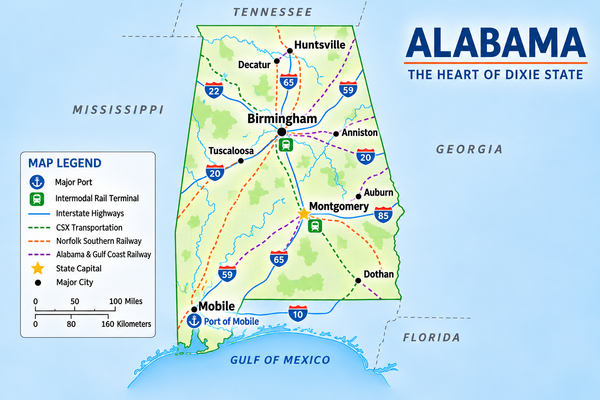
Alabama Heart of Dixie Map.png

Ports: The Port of Mobile provides Alabama with a major Gulf Coast gateway for international container shipping, connecting ocean freight with inland transportation and distribution networks.

Rail: CSX, Norfolk Southern and regional rail connections support freight movement between Alabama's manufacturing centers, intermodal facilities and major U.S. markets.

Trade: I-65, I-20, I-59, I-85 and I-10 connect Alabama's industrial and distribution centers with the Port of Mobile, neighboring states and long-distance transportation routes.

Alabama's freight network connects Gulf Coast shipping, major rail corridors and industrial markets throughout the Southeast.

Alabama's transportation network connects the Port of Mobile with major manufacturing, distribution and commercial centers across the state. Interstate highways and freight rail systems provide important connections between Gulf Coast shipping facilities, inland markets and destinations throughout the United States.

Alabama's freight system is supported by:

  • Port of Mobile: A major deepwater gateway handling international cargo and containerized freight, with connections to inland transportation networks.

  • Freight rail: CSX, Norfolk Southern and regional railroads serving manufacturing facilities, distribution centers and interstate freight corridors.

  • Interstate highways: I-65, I-20, I-59, I-85 and I-10 connect major Alabama markets with neighboring states and national transportation routes.

  • Industrial centers: Birmingham, Huntsville, Montgomery, Tuscaloosa and Mobile support automotive manufacturing, aerospace, construction, logistics and other industries that depend on reliable freight movement.

For customers moving shipping containers or Conex boxes, these connections provide access to transportation routes serving commercial properties, industrial facilities, construction sites and other destinations across Alabama.

Versatile Shipping Container Uses Across Alabama

Across Alabama, shipping containers provide secure, flexible space for businesses, agricultural operations and residential properties. Their durability and versatility make them practical for everything from temporary storage to specialized workspaces.

Commercial Uses

Construction material storage, job-site offices, warehouse overflow, retail inventory, manufacturing support, equipment storage, temporary business operations and additional workspace during renovations or facility expansions.

Logistics, Industry & Agriculture

Port and rail support, freight staging, automotive and aerospace manufacturing supplies, agricultural equipment, farm storage, forestry operations, distribution inventory and industrial maintenance materials.

Residential Uses

Backyard storage, workshops, home renovation projects, moving and relocation storage, garage alternatives, recreational equipment, rural property improvements and container home conversions.

Whether a container will serve as temporary storage or a permanent addition to your property, its intended use should guide where and how it is positioned. Planning for convenient access, future use and available space helps ensure your container remains practical long after delivery.

What to Consider When Moving a Shipping Container in Alabama

A successful container move involves more than getting from pickup to delivery. Whether you're coordinating a commercial shipment, relocating a loaded Conex box or arranging delivery to private property, understanding the transportation requirements upfront can help prevent delays and unexpected costs.

Equipment Matched to the Move

Not every shipping container can be transported or unloaded the same way. Sideloaders, tilt-bed trucks, Landoll trailers and other specialized equipment serve different purposes. Selecting the appropriate option depends on the container's dimensions, weight, loading conditions and available unloading space.

Moving Loaded Containers

Relocating a container filled with machinery, inventory or construction materials requires accurate weight information and properly secured contents. Weight distribution, equipment capacity and applicable transportation limits must be evaluated before dispatch to determine whether the container can travel loaded.

Port & Intermodal Coordination

Container pickups involving the Port of Mobile or Alabama's intermodal rail facilities may require terminal appointments, cargo releases, equipment availability and coordination with facility operating procedures. Addressing these requirements in advance helps avoid missed pickups and unnecessary delays.

Ground-Level PlacementDelivery Access & Placement

A truck needs sufficient room to enter, maneuver and unload at the destination. Narrow driveways, overhead utilities, soft ground and limited turning space can complicate deliveries, particularly at rural properties and active construction sites. Reviewing site conditions ahead of time helps identify potential obstacles.

Scheduling & Transportation Routes

Delivery timing can depend on travel distance, equipment availability, permitted routes and site readiness. Moves involving Alabama's major industrial corridors or remote destinations benefit from realistic scheduling that accounts for loading, transportation and unloading arrangements.

Clear Quotes & Project Details

An accurate transportation quote starts with the container's size, loaded or empty status, pickup and delivery addresses, and unloading requirements. Providing photographs of the container and delivery location can help identify equipment needs and clarify what's included before transportation is arranged.

Ready to Move Your Shipping Container?

Whether you are transporting a 20 ft Conex box, a loaded 40 ft shipping container, an office container, a modified unit or multiple containers between Alabama facilities, Container Movers can help coordinate the appropriate equipment and carrier for your project.

Navigating Alabama's Unique Container Transportation Challenges

From the hills of northern Alabama to the low-lying Gulf Coast, shipping container transportation presents different challenges depending on the destination. Industrial traffic, rural road conditions, changing elevations and seasonal weather can influence transportation routes, equipment access and delivery schedules.

Commercial & Freight Challenges

Industrial Freight Corridors: Alabama's automotive, aerospace and manufacturing centers generate significant truck traffic along I-65, I-20/59 and I-85. Container moves serving active industrial facilities may need to account for designated truck entrances, restricted delivery windows and coordination with facility operations.

Port & Intermodal Activity: The Port of Mobile and inland freight terminals support containerized cargo moving through Alabama. Terminal operating hours, container availability and drayage arrangements can affect pickup schedules, particularly when shipments must connect with longer-distance transportation.

Northern Alabama Terrain: The Appalachian foothills and elevated terrain around northeastern Alabama can present steep grades, winding roads and limited maneuvering areas. Transportation routes must accommodate the dimensions and weight of loaded containers, particularly when accessing properties outside major highway corridors.

Rural & Agricultural Routes: Farms, timber operations and remote commercial properties may be served by narrow county roads, small bridges or routes with weight restrictions. Confirming road suitability is especially important when transporting heavy containers beyond established freight corridors.

Site, Weather & Property Challenges

Gulf Coast Storms & Heavy Rainfall: Tropical storms, hurricanes and prolonged rainfall can disrupt transportation along coastal Alabama. Flooded roads, saturated delivery areas and temporary port closures may require adjustments to pickup and delivery schedules.

Clay Soils & Ground Stability: Many Alabama properties have clay-rich soils that can become soft or slippery after heavy rain. Unpaved driveways, construction entrances and undeveloped sites may require additional evaluation before heavy transportation equipment can safely enter.

Residential & Rural Property Access: Tree-lined driveways, overhead power lines, gates and limited turning areas can restrict access to homes, farms and smaller commercial properties. Delivery planning should consider the truck's approach, unloading direction and available clearance.

Coastal & Low-Lying Locations: Properties near Mobile Bay and Alabama's coastal waterways may have elevated structures, drainage features or flood-prone access roads. These conditions can affect where transportation equipment can operate and where a container can be positioned.

Early planning and proper equipment selection help reduce delays and improve the likelihood of safe, accurate container placement.

Specialized Equipment Used to Move Shipping Containers

Not every Alabama container move requires the same equipment. Container size, loaded weight, pickup conditions, delivery access and final placement requirements determine the most suitable transportation method.

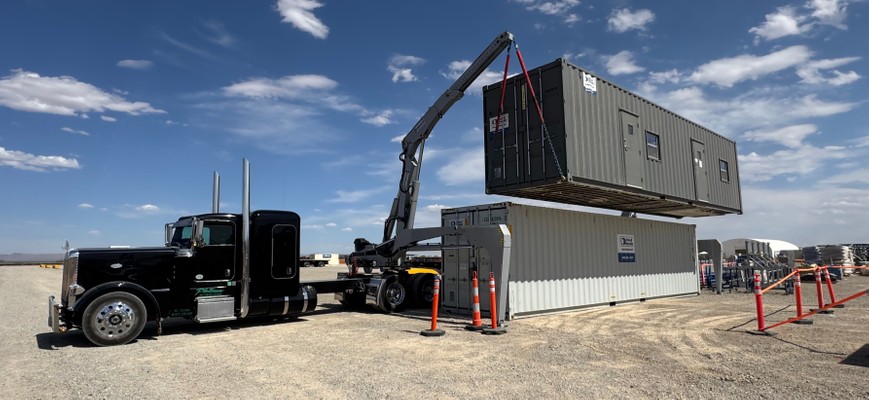
Container Movers Sideloader Truck with office container.jpeg

What Is a Sideloader?

A sideloader is specialized container-handling equipment that loads, transports, unloads and places shipping containers from the side of the trailer.

Sideloaders are especially useful when ground-level placement is required, a separate crane is unavailable, or the container must be positioned beside the truck.

  • Ground-level loading and unloading
  • Fewer separate service providers
  • Efficient container repositioning
  • Improved placement flexibility
  • Suitable for many loaded containers
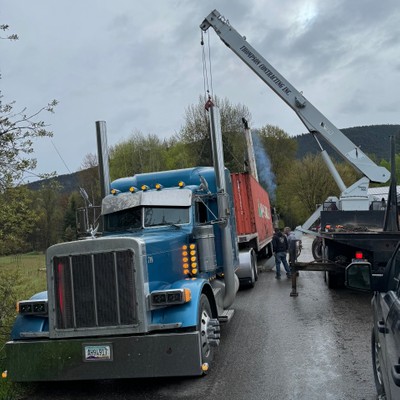
crane moving container from blue truck and trailer

What Is a Trailer-Mounted Crane?

Trailer-mounted cranes combine transportation and lifting capability for projects requiring controlled placement, restricted access or positioning beyond the immediate side of the trailer.

This equipment may be appropriate for residential properties, construction sites and commercial locations where standard tilt-bed unloading is not practical.

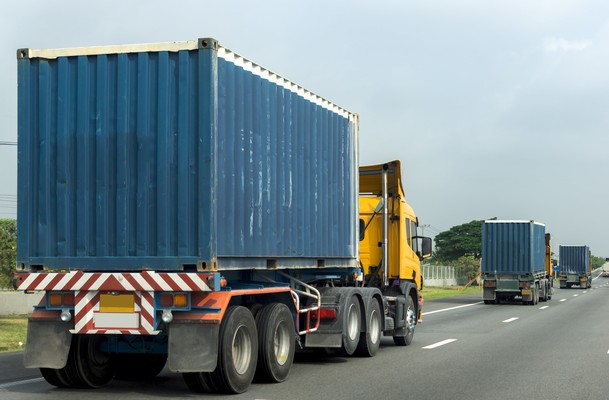
blue shipping containers being transported along highway

What Is a Container Chassis?

A container chassis is a specialized trailer designed to transport ISO shipping containers between rail facilities, ports, warehouses, distribution centers, manufacturing plants and project sites.

A chassis transports the container efficiently but usually requires separate loading and unloading equipment at the pickup and destination.

Container Transport Equipment Comparison: Landoll vs Crane vs Sideloader

Compare the best container transport options based on access, lifting capability, delivery environment, and overall efficiency.

Feature / Requirement Landoll Service Crane Service Sidelifter / Sideloader
Best For Short-distance relocations Long-distance hauling requiring lift support Self-loading in tight areas
Can Lift Container Off Ground? Yes (tilted winch) Yes Yes
Requires Additional Equipment Onsite? No Yes (crane required) No
Handles Loaded Containers? Yes (must secure load before tilt) Yes Yes
Ideal For Residential Delivery? Yes Rarely Yes
Best For Long Distance Transport? Short to Mid Yes Moderate
Works In Tight Access Areas? Requires clearance for tilt Requires crane access Excellent
Placement Precision Moderate Very High High
Cost Range Cost-efficient Higher Moderate to High
Setup Time Low Higher (rigging + crane setup) Low
Landoll Service
Best ForShort-distance relocations
Can Lift Container Off Ground?Yes (tilted winch)
Requires Additional Equipment Onsite?No
Handles Loaded Containers?Yes (must secure load before tilt)
Ideal For Residential Delivery?Yes
Best For Long Distance Transport?Short to Mid
Works In Tight Access Areas?Requires clearance for tilt
Placement PrecisionModerate
Cost RangeCost-efficient
Setup TimeLow
Crane Service
Best ForLong-distance hauling requiring lift support
Can Lift Container Off Ground?Yes
Requires Additional Equipment Onsite?Yes (crane required)
Handles Loaded Containers?Yes
Ideal For Residential Delivery?Rarely
Best For Long Distance Transport?Yes
Works In Tight Access Areas?Requires crane access
Placement PrecisionVery High
Cost RangeHigher
Setup TimeHigher (rigging + crane setup)
Sidelifter / Sideloader
Best ForSelf-loading in tight areas
Can Lift Container Off Ground?Yes
Requires Additional Equipment Onsite?No
Handles Loaded Containers?Yes
Ideal For Residential Delivery?Yes
Best For Long Distance Transport?Moderate
Works In Tight Access Areas?Excellent
Placement PrecisionHigh
Cost RangeModerate to High
Setup TimeLow

Can Containers Be Moved Without a Crane?

Yes. Many container transportation projects can be completed using sideloaders, eliminating the need for separate crane mobilization and reducing overall project costs.

Residential Delivery Equipment

Residential container deliveries often require sideloaders, trailer-mounted cranes, container chassis, and site access planning.

Prepare Your Alabama Site for Safe Container Placement or Delivery

Successful container transportation depends on more than selecting the right trailer or lifting equipment. The delivery site must provide adequate access, stable ground, sufficient clearance, and a properly prepared placement area.

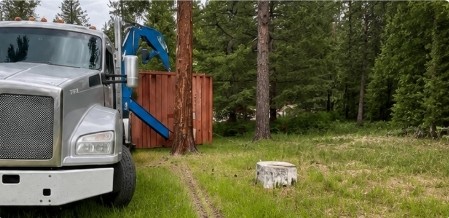
Before dispatch, Container Movers may confirm site conditions such as slope, soil stability, overhead obstructions, gate width, turning space, and the intended placement location. Preparing these details in advance helps prevent delivery delays, additional charges, equipment damage, and unsafe placement conditions.

Container delivery truck moving through a wooded site with limited access

1. Ground Conditions

Containers should be placed on a firm, level, and well-drained surface. Suitable foundations may include:

  • Compacted gravel
  • Concrete pads
  • Railroad ties
  • Structural footings
  • Engineered container supports

Soft soil, mud, loose gravel, or uneven terrain can cause the container to settle, twist, or become misaligned. Poor ground conditions may also prevent safe access or completion of the delivery.

2. Access and Clearance

The delivery route must provide enough room for the truck, trailer, or sidelifter to enter, maneuver, unload, and exit safely.

Customers should confirm:

  • Gate and driveway width
  • Turning radius
  • Overhead wires and tree limbs
  • Low branches or structures
  • Road and driveway weight limitations
  • Clearance for trailer tilt or lifting equipment

The amount of clearance required will depend on the delivery equipment selected for the move.

3. Placement Area

The final placement location should be clearly identified before the driver arrives. The area should be level, accessible, and free of vehicles, debris, landscaping materials, and other obstructions.

Residential and commercial customers should also verify property boundaries, utility locations, drainage patterns, and any local site restrictions before placement.

Mark the exact placement location before the driver arrives and keep the area clear throughout the delivery.

Not sure whether your site is ready?

Share photos, measurements, and access details when requesting your quote. Container Movers can help identify potential delivery concerns before dispatch.

Request an Accurate Quote

Alabama's Key Ports, Rail Hubs & Container Freight Connections

Alabama's freight infrastructure connects Gulf Coast shipping with inland manufacturing and distribution markets. The Port of Mobile, intermodal rail facilities and major highway corridors provide important connections for containerized cargo moving between marine terminals, industrial centers and destinations throughout the Southeast.

Port of Mobile

The Port of Mobile is Alabama's principal deepwater seaport and a major Gulf Coast gateway for international containerized freight. Its container terminal handles imports and exports serving manufacturers, distributors and other businesses throughout the region. Connections to I-10, I-65 and inland freight networks support container movement between marine terminals and destinations across Alabama and neighboring states.

Montgomery Intermodal Container Transfer Facility

The Montgomery Intermodal Container Transfer Facility is designed to strengthen rail connections between the Port of Mobile and central Alabama's manufacturing and distribution markets. By supporting container transfers between rail and truck transportation, the facility can provide an inland connection for businesses moving international freight. Facility availability and operating arrangements should be confirmed when planning a shipment.

Birmingham Rail & Freight Network

Birmingham is one of Alabama's major inland freight centers, with connections to CSX, Norfolk Southern and regional railroad networks. Its position along I-20, I-59 and I-65 supports freight movement serving industrial facilities, warehouses and distribution operations. Rail terminals and trucking connections make the Birmingham region an important link between Alabama businesses and national transportation markets.

Huntsville & North Alabama Freight Network

Huntsville and Decatur serve northern Alabama's aerospace, automotive and advanced manufacturing industries. The region benefits from I-565, I-65 and connections to regional freight rail networks, including the Port of Huntsville's International Intermodal Center. These facilities support cargo movement between manufacturing operations, distribution centers and national transportation networks.

Mobile River & Inland Waterway System

Alabama's inland waterway network connects industrial and agricultural markets with Gulf Coast shipping facilities through the Mobile, Tombigbee and Alabama river systems. These waterways support the movement of bulk commodities, industrial materials and project cargo. Their connections to port facilities and inland transportation routes contribute to Alabama's broader freight and logistics infrastructure.

Tuscaloosa & West Alabama Industrial Corridors

Tuscaloosa and west Alabama are important centers for automotive manufacturing, steel production and industrial distribution. I-20/59 provides a major east-west freight corridor connecting the region with Birmingham, Mississippi and other Southeastern markets. Highway access and nearby rail infrastructure support the transportation needs of manufacturers, suppliers and commercial facilities throughout the area.

Shipping Container Transportation for Alabama's Businesses, Farms & Property Owners

Commercial And Industrial Customers

From manufacturing plants and distribution facilities to construction companies and commercial property operators, Alabama businesses use shipping containers to support a wide range of projects. Container Movers coordinates transportation for customers who need containers delivered, relocated between facilities or repositioned as their operations change.

Residential, Agricultural & Rural Customers

Alabama homeowners, farmers and rural property owners use shipping containers for everything from personal storage to agricultural operations and property improvements. Whether delivering a newly purchased container or moving an existing one, Container Movers helps coordinate transportation to locations beyond traditional commercial facilities.

Construction & Development: Contractors use shipping containers to keep tools, materials and equipment close to active work areas. Container transportation supports commercial construction, infrastructure improvements, industrial expansions and redevelopment projects throughout Alabama.

Automotive & Advanced Manufacturing: Automotive assembly plants, component suppliers and advanced manufacturing facilities may use Conex boxes for production-related storage, maintenance equipment and temporary operational needs. Container relocation can help accommodate facility expansions, equipment changes and evolving production requirements.

Warehousing & Distribution: Logistics providers, fulfillment centers and warehouse operators use containers for temporary inventory storage, overflow capacity and facility transitions. Transportation between commercial locations helps businesses manage changing storage needs without relying exclusively on permanent warehouse space.

Industrial & Energy Operations: Steel producers, utility contractors, energy facilities and industrial maintenance companies may need containers for specialized equipment, replacement parts and project supplies. Container Movers helps coordinate moves serving established industrial sites and temporary work locations.

Commercial Property & Facility Management: Property managers, retail operators and business owners use shipping containers during renovations, tenant improvements, seasonal operations and facility relocations. Transportation can be arranged to accommodate changing property needs and operational schedules.
Residential Customers: Homeowners use shipping containers for renovation storage, household moves, backyard workshops and additional space for personal belongings. Container delivery and relocation services help customers accommodate changing residential storage needs.

Farms & Agricultural Operations: Alabama farms and agricultural businesses use containers to protect tools, irrigation supplies, feed-handling equipment and seasonal materials. Container transportation supports operations involving poultry production, row crops, livestock and other agricultural activities.

Rural Landowners & Recreational Properties: Owners of hunting properties, wooded acreage and recreational land often use Conex boxes for secure equipment storage, maintenance supplies and property improvements. Deliveries to these locations may require coordination around private roads and designated placement areas.

Residential Construction & Property Improvements: Homebuilders and property owners use containers during additions, remodeling projects, garage construction and new home development. Relocatable storage helps keep materials and equipment available throughout different phases of a project.

Specialty & Modified Container Projects: Some customers purchase modified shipping containers for workshops, studios, cabins or other specialty applications. Transportation planning should account for modifications that affect the container's dimensions, weight or lifting requirements, along with applicable local property regulations.

Practical Shipping Container Applications Across Alabama

From industrial facilities and construction sites to farms and residential properties, Alabama customers put shipping containers to work in many ways. These versatile steel units provide adaptable space for storage, equipment protection, temporary operations and property improvements.

Construction Material Storage

Temporary Jobsite Offices

Manufacturing Support

Warehouse Overflow

Equipment & Tool Storage

Automotive Parts Storage

Distribution & Logistics

Utility & Infrastructure Projects

Residential Storage

Workshops & Hobby Spaces

Agricultural Supply Storage

Farm Equipment Storage

Home Renovation Projects

Garage Alternatives

Forestry & Timber Operations

Modified Container Projects

Alabama Container Moving Services by Region

From the Tennessee Valley and Birmingham's industrial centers to the Gulf Coast and Alabama's rural communities, Container Movers coordinates shipping container transportation throughout the state. Each region has distinct industries, transportation routes and delivery considerations.

North Alabama & Tennessee Valley

Huntsville, Decatur, Athens, Florence, Muscle Shoals and surrounding communities form a major center for aerospace, defense, advanced manufacturing and industrial development. Container transportation supports facility expansions, construction projects and commercial operations throughout the Tennessee Valley, with I-65, I-565 and US-72 providing important regional connections.

Birmingham & Central Alabama

Birmingham, Hoover, Bessemer, Trussville, Pell City and surrounding communities support manufacturing, warehousing, construction and commercial development. The region's connections to I-20, I-59 and I-65 make it a major transportation crossroads for local container deliveries and moves connecting central Alabama with neighboring states.

Montgomery & the River Region

Montgomery, Prattville, Millbrook, Wetumpka and surrounding communities serve automotive suppliers, government facilities, distribution operations and growing commercial developments. Container transportation supports industrial projects, facility relocations and property improvements throughout the River Region, with I-65 and I-85 providing connections to other Alabama markets.

Tuscaloosa & West Alabama

Tuscaloosa, Northport, Demopolis, Selma, Livingston and surrounding communities include automotive manufacturing, timber operations, agriculture and industrial facilities. Container moving services support commercial projects and rural properties across west Alabama, where destinations beyond the I-20/59 corridor may involve longer travel distances and local road access considerations.

East Alabama & the Wiregrass

Auburn, Opelika, Anniston, Oxford, Gadsden, Dothan and Enterprise support automotive suppliers, manufacturing, agriculture and regional commerce. Container transportation serves industrial parks, construction sites, agricultural businesses and private properties, with I-85, I-20 and US-231 connecting communities across eastern and southeastern Alabama.

Mobile & the Gulf Coast

Mobile, Prichard, Saraland, Daphne, Fairhope, Foley and Gulf Shores support maritime commerce, shipbuilding, industrial operations, tourism and coastal development. Shipping container transportation serves port-related businesses, commercial properties and construction projects throughout the region, with I-10 and I-65 connecting coastal Alabama to inland destinations.

A Smarter Way to Coordinate Shipping Container Moves Across Alabama

Whether you're arranging a single Conex box delivery or coordinating multiple container moves across Alabama, having an experienced logistics team can make the process easier. Container Movers helps connect the details of your project with qualified transportation providers, specialized equipment and a coordinated delivery plan.

Our goal is to make container transportation straightforward, from your initial quote through final delivery.

  • Loaded shipping container transportation

  • Empty container relocation

  • Sideloader and tilt-bed transportation

  • Ground-level unloading and placement

  • Landoll and specialized trailer options

  • On-site Conex box repositioning

  • Port container pickups

  • Rail terminal and intermodal coordination

  • Residential container delivery

  • Construction and industrial site deliveries

  • Agricultural and rural property moves

  • Commercial facility transfers

  • Warehouse and distribution center delivery

  • Statewide and nationwide transportation

With Container Movers, you have one point of contact to help coordinate transportation arrangements, equipment requirements and delivery details. That means less time managing separate providers and more confidence that your Alabama container move is being planned around your specific needs.

Alabama Shipping Container Moving FAQs

Have questions about moving a shipping container in Alabama? Find practical answers about Conex box transportation, residential delivery, loaded containers, port pickups, equipment options and preparing for your move.

Yes. Container Movers coordinates transportation for loaded and empty shipping containers throughout Alabama. Loaded moves require an accurate total weight, including the container and its contents. Cargo type, weight distribution, route restrictions and available lifting equipment are reviewed to determine whether the container can be transported without unloading it.

Yes. Residential Conex box delivery can be coordinated throughout Alabama, including suburban neighborhoods, rural homes and recreational properties. Customers should identify the intended placement location and provide information about driveway access, gates, overhead obstructions and available truck maneuvering space before scheduling delivery.

Yes. Container Movers can help coordinate on-site container relocation for construction sites, commercial properties, industrial facilities and residential locations. Depending on the container's weight, accessibility and intended new position, specialized equipment may be able to lift and reposition it without transporting it to another property.

Yes. Container Movers coordinates container transportation and drayage involving the Port of Mobile, subject to terminal access and shipment requirements. Before pickup, customers should confirm cargo release information, terminal appointments, container availability and any applicable chassis or documentation requirements. The destination and unloading arrangements must also be established.

Container Movers can help coordinate container pickups and transfers involving eligible intermodal rail facilities in Alabama. Service depends on the specific terminal, container type, release status and carrier access requirements. Our team can review the pickup location and transportation details to determine the appropriate arrangements.

Container Movers coordinates transportation for common 20-foot, 40-foot and 45-foot shipping containers, including High Cube units. Specialty containers may also be accommodated after reviewing their dimensions, weight, structural configuration and loading requirements. The container's exact specifications help determine equipment availability.

Some 53-foot containers can be transported using suitable specialized equipment. Because these containers differ from standard ISO container sizes, their dimensions, weight, lifting arrangements, transportation route and unloading requirements must be reviewed before confirming service.

Not necessarily. Depending on the project, sideloaders, tilt-bed trucks or Landoll trailers may provide ground-level unloading without a separate crane. Crane-assisted unloading may be needed when the container must be placed beyond the reach of standard delivery equipment or when access conditions require a different approach.

Yes. Container transportation can be arranged for farms, agricultural operations, hunting properties and other rural locations. Private road conditions, bridge limitations, gates, tree clearance and unloading space should be reviewed before delivery. Some remote destinations may require additional route planning or alternative equipment.

Yes. Heavy rainfall, flooding, severe thunderstorms and Gulf Coast tropical weather can affect road conditions and delivery schedules. Saturated soil may also prevent heavy equipment from safely entering unpaved properties. Deliveries may need to be adjusted until road access and ground conditions are suitable.

The cost depends on the distance between locations, container dimensions, loaded weight, required equipment and pickup and delivery conditions. Additional factors may include permits, terminal charges, loading assistance or specialized placement. Providing complete project information allows Container Movers to prepare a more accurate transportation quote.

Potentially. Modified Conex boxes, container offices and container-home structures require an individual transportation review. Added windows, doors, insulation, roofing, structural extensions or interior improvements may change the unit's weight, dimensions and lifting requirements. Photographs and detailed specifications are especially helpful when evaluating these projects.

Yes. Container Movers coordinates shipping container transportation throughout Alabama, including Birmingham, Huntsville, Mobile, Montgomery, Tuscaloosa, Auburn, Opelika, Dothan, Decatur, Florence and surrounding communities. Moves between Alabama and other states can also be coordinated through our nationwide carrier network.

Identify a level, stable placement area and make sure the delivery route is clear of vehicles, low branches, overhead wires and other obstructions. Confirm that gates, driveways and turning areas can accommodate the delivery equipment. Photographs of the entrance, approach and intended placement area can help identify potential problems in advance.

Provide the pickup and delivery addresses, container length and height, whether it is loaded or empty, estimated total weight and preferred transportation date. Include photographs showing the container's current position, pickup access and desired placement location. Let us know if loading equipment is available at either location or if ground-level unloading must be arranged.

Ready to Plan Your Alabama Container Move?

Tell us what you're moving and where it needs to go. Container Movers can help coordinate the transportation, equipment and delivery arrangements for your project. Call 877-697-7223 or request a quote online.

Request an Accurate Quote

Ready to Move Your Shipping Container in Alabama?

From Birmingham and Huntsville to Montgomery, Mobile and communities throughout Alabama, Container Movers helps businesses, contractors and property owners arrange shipping container transportation for projects of all sizes. Whether your move is local, statewide or across the country, we make the process easier by coordinating the transportation details for you.

Have a loaded Conex box, a newly purchased storage container or multiple containers that need relocating? Tell us what you're moving and where it needs to go. Our team will help determine a transportation solution suited to your container, location and delivery needs.

Get started with an accurate quote or speak directly with our team about your Alabama container move.